
Clearing the Clog Is Only the First Step
A clogged drain may be caused by hair, grease, soap buildup, food debris, paper products, roots, or an obstruction farther downstream. The symptoms can look similar even when the cause and location are different.
Our plumbers start with what is backing up and where, then select the appropriate access point and drain-cleaning equipment. If the problem appears to be recurring or related to the condition of the piping, we explain whether additional inspection or another service makes sense.
Professional Drain Equipment
We use commercial-grade cable machines and drain-cleaning equipment sized for the line, access point, and type of blockage involved.
Kitchen to Main-Line Clogs
We clear clogged sinks, tubs, showers, floor drains, branch piping, and larger sanitary lines serving homes and commercial properties.
Recurring Problem Diagnosis
If the same line keeps backing up, we look for signs that buildup, roots, damaged piping, or another condition may be contributing.
Clear, Understandable Next Steps
After restoring flow, we explain what we found and whether camera inspection, hydro jetting, maintenance, or repair should be considered.
Drain Problems We Clear
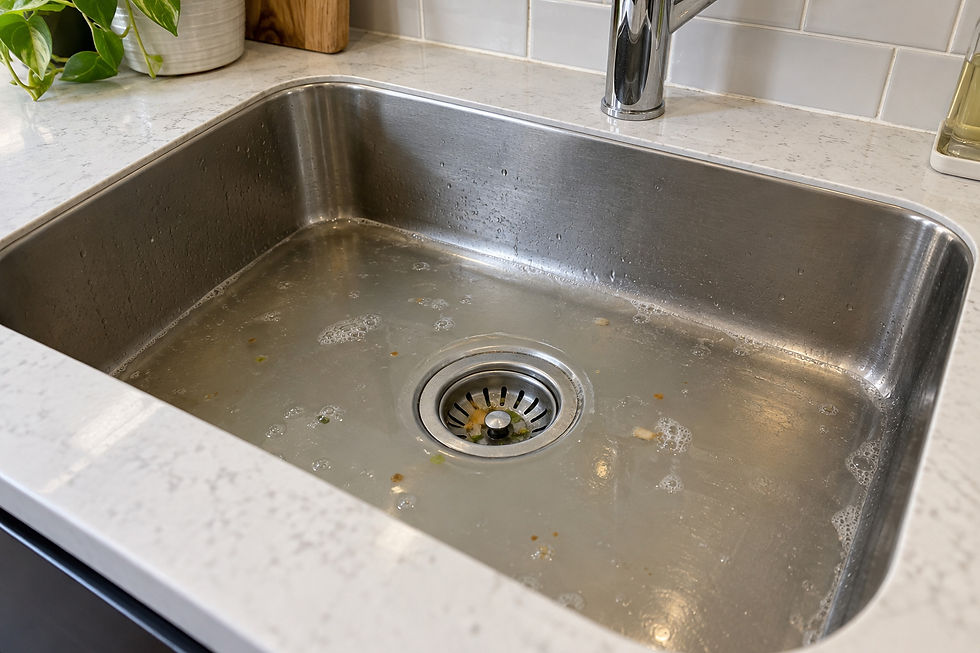
Grease, food debris, soap residue, and other buildup can gradually restrict kitchen drainage and lead to slow flow or complete blockage.

Hair, soap, toothpaste, and everyday buildup can collect in traps and branch piping and gradually slow bathroom sink drainage.

Hair and soap buildup are common causes of slow or blocked shower and bathtub drains, especially when the problem develops over time.
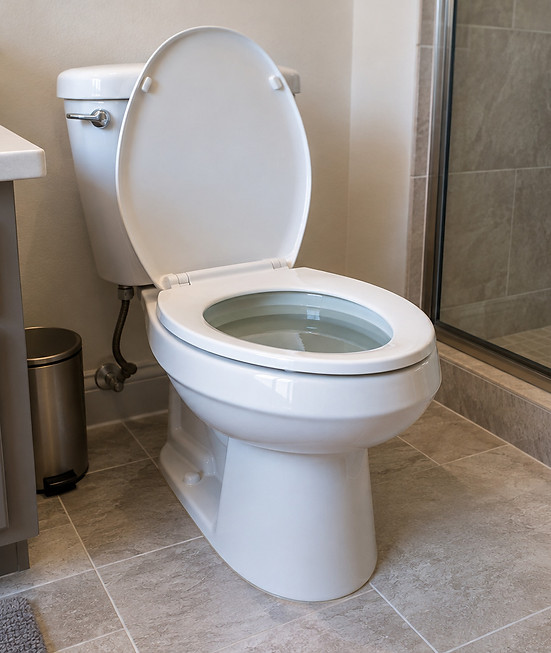
A single toilet may have a local obstruction, while several bathroom fixtures backing up together can point to a shared drain line.
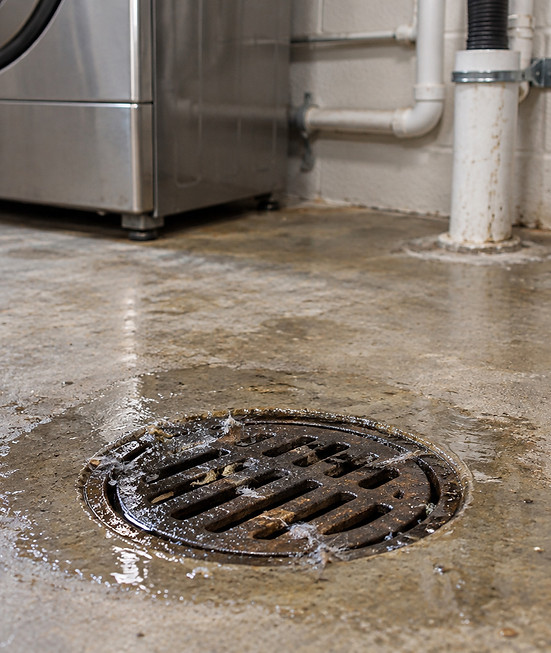
Floor drains, laundry drains, and utility-area piping can collect debris or buildup and may require access farther into the drainage system.

When multiple fixtures are affected at once, the obstruction may be located in a larger branch or the main building sewer.